

Concept neighborhood guide · Boston
Back Bay
Boston’s great planned Victorian neighborhood — eight alphabetical cross streets of brownstones and bowfronts, laid out on land made from the Charles River’s tidal flats.
Explore Back Bay homesBack Bay skyline above Boston Common
Where timeless elegance meets the sky.
- Filling Begins
- 1857
- Gravel trains from Needham ran day and night.
- Alphabetical Streets
- A → H
- Arlington to Hereford, crossing the neighborhood east to west.
- Architectural District
- 1966
- Exterior changes reviewed to protect the historic streetscape.
- Transit Stations
- 5
- Green and Orange Lines, commuter rail and Amtrak service.

The story
A neighborhood
made by hand
Back Bay was once exactly that — a tidal basin of the Charles River, dammed in 1821 and left as mudflats, until Boston decided to build an entire neighborhood on top.
Filling began in 1857. Contractors laid a railroad to the gravel hills of Needham, and 35-car trains arrived roughly every 45 minutes, day and night. Steam shovels did the loading. The first houses rose on Arlington Street in 1859, and present-day Back Bay was filled by 1882.
The plan was as deliberate as the engineering. Arthur Gilman laid out Commonwealth Avenue after the boulevards of Haussmann’s Paris, with a tree-lined mall down its center. Deed restrictions set heights and setbacks, so a walk west reads like a timeline of American architecture, Italianate to Beaux-Arts.
The Cross Streets
- AArlington
- BBerkeley
- CClarendon
- DDartmouth
- EExeter
- FFairfield
- GGloucester
- HHereford
Landmarks
Icons on
every corner
Within a few blocks of one another stand a Romanesque masterpiece, Boston’s tallest tower, a palace of books and the city’s favorite shopping street.

Copley Square
Trinity Church & 200 Clarendon
H. H. Richardson’s Trinity Church, consecrated in 1877, gave its name to Richardsonian Romanesque. Beside it, Henry Cobb’s 60-story glass tower reflects the church in its facade.
Trinity consecrated 1877 · Tower completed 1976 at 790 feet

Boylston Street
Boston Public Library
McKim, Mead & White’s Renaissance Revival palace opened on Copley Square in 1895, with “Free to All” carved above the door and barrel-vaulted Bates Hall within.
Library founded 1848 · McKim Building opened to the public 1895

Arlington → Mass Ave
Newbury Street
Brownstones turned galleries, boutiques and cafés — busiest at street level, quieter on the floors above. Concept Properties works from 179 Newbury, right in the middle of it.
Eight blocks, Arlington Street to Massachusetts Avenue, nearly a mile

“The water at your back, the city at your door.”
Living in Back Bay
What makes it
worth calling home
Back Bay puts the river, the Public Garden and two subway lines within a short walk of nearly every front door.
Charles River Esplanade
The neighborhood’s northern edge opens onto the Esplanade — riverside paths, docks, playing fields and free summer concerts at the Hatch Shell.
Unmatched Transit
The Green Line stops at Arlington, Copley, Hynes and Prudential; Back Bay Station adds the Orange Line, commuter rail and Amtrak to New York.
Protected Character
Since 1966 the Back Bay Architectural Commission has reviewed exterior changes, from windows to roof decks, keeping the 19th-century streetscape intact.
A Range of Homes
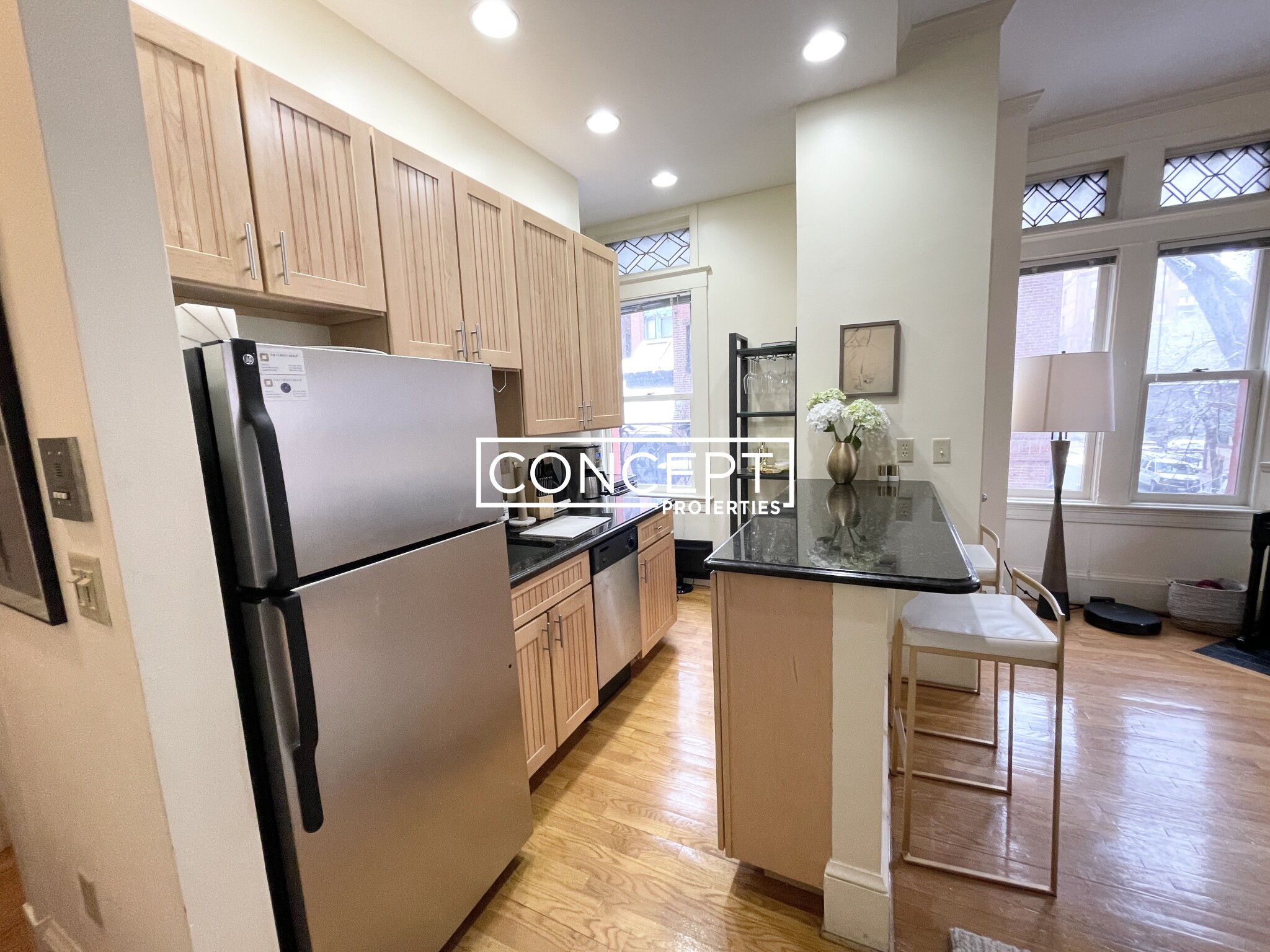
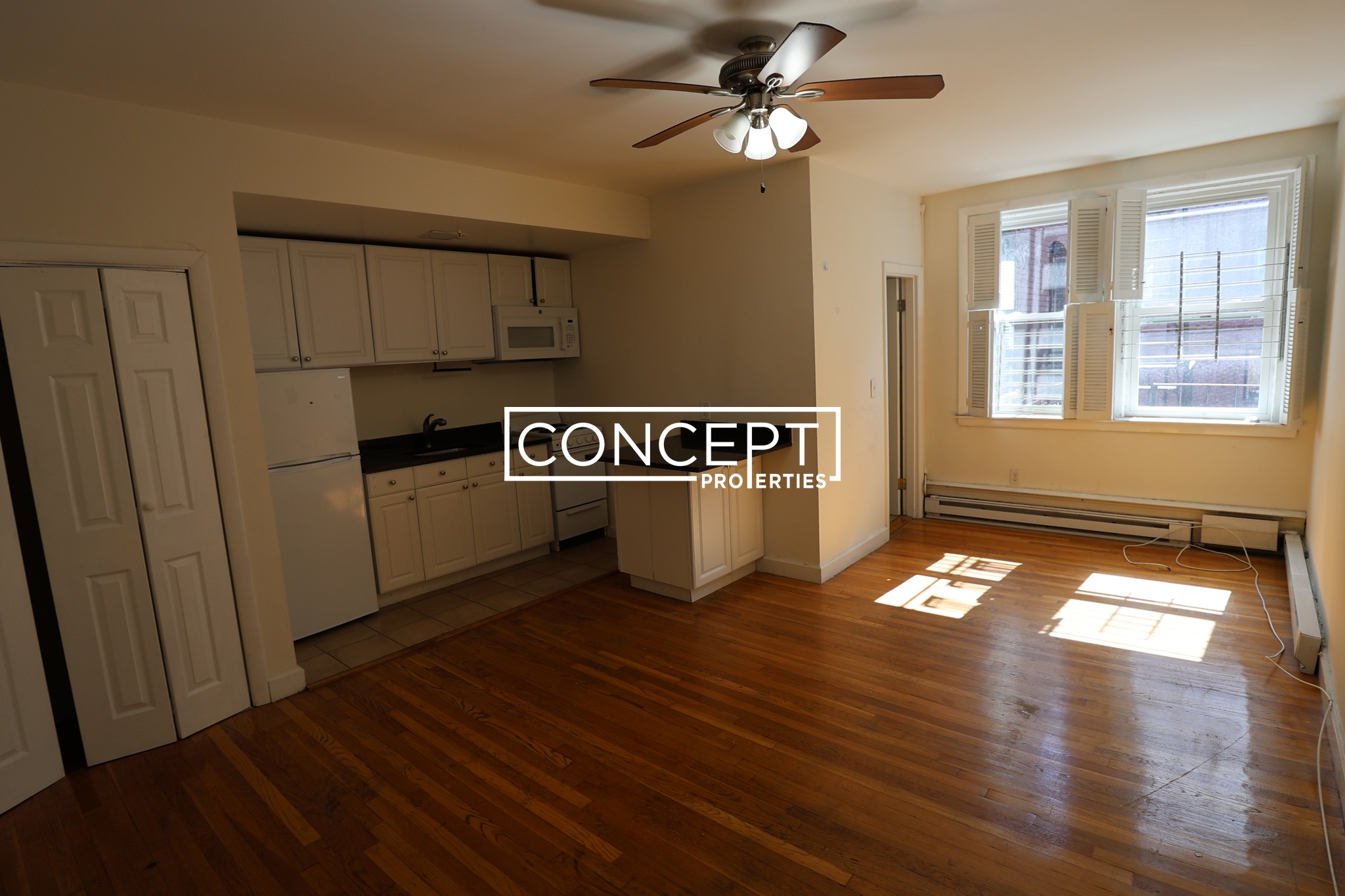
Single-family brownstones and bowfront townhouses, floor-through condominiums, garden-level units and full-service buildings near Copley — often within a block of one another.
The Public Garden at the Door
America’s first public botanical garden, founded in 1837, anchors the eastern edge, with the Swan Boats gliding across its lagoon since 1877.
Dining & Culture
Newbury and Boylston Streets set the table, while Symphony Hall, the Hynes and Copley Square’s seasonal farmers market are all a short walk away.




Concept Properties · Unlock Boston™
Find your place
in Back Bay
Whether you’re buying, selling or investing, our Newbury Street team knows Back Bay block by block — from the water side of Beacon to Copley Square.
179 Newbury Street · Boston, MA