

Concept neighborhood guide · Greater Boston
Belmont
A town carved from three neighbors in 1859 — market gardens turned tree-lined streets, three village squares, and two commuter rail stops to Boston.
Explore Belmont homesThe Clock at Belmont Center
Leonard Street in Autumn
- Town Incorporated
- 1859
- Carved from parts of Watertown, Waltham and West Cambridge.
- First Metro Park
- 1893
- Beaver Brook launched Greater Boston’s regional park system.
- Village Squares
- 3
- Belmont Center, Cushing and Waverley — each a walkable main street.
- Commuter Rail Stops
- 2
- Fitchburg Line trains reach North Station in about 20 minutes.

The story
A town of farms
turned town of homes
Belmont was born of impatience. In 1859, farmers tired of trekking to Watertown, Waltham and West Cambridge to vote won a town of their own — and named it for a merchant’s estate.
The land had been settled since the 1630s as Watertown’s outskirts. When the Fitchburg Railroad crossed it in 1843, depots at Wellington — today’s Belmont Center — and Waverley drew new households. China trader John Perkins Cushing underwrote incorporation on condition that the town carry his estate’s name, Bellmont.
For decades Belmont fed Boston: greenhouses and market gardens sent celery, lettuce and berries to Quincy Market, and the new town put Pomona, goddess of orchards, on its seal. Streetcars and a 1920s building boom turned fields into the leafy streets a Waverley coal dealer’s ads first called “the Town of Homes.”
The Villages
- BCBelmont Center
- CSCushing Sq
- WSWaverley Sq
- BHBelmont Hill
- PPPayson Park
- WBWinn Brook
Landmarks
Where the town
keeps its stories
Belmont’s landmarks are civic and green — a Queen Anne town hall, a painter’s family retreat, and the park that launched Greater Boston’s regional system.

Concord Ave & Pleasant St
Belmont Town Hall
Henry W. Hartwell designed this brick Queen Anne–Romanesque hall in 1881, trimming it with terracotta bas-reliefs. More than 140 years on, it remains the seat of town government.
Built 1881 · 455 Concord Avenue · Pleasant Street Historic District

661 Pleasant Street
William Flagg Homer House
A Boston merchant built this mansarded Italianate summer house in 1853. His nephew Winslow Homer sketched and painted on its grounds; the Belmont Woman’s Club has kept it since 1927.
Built 1853 · 15 rooms · On the National Register since 1979

Trapelo Road · Waverley
Beaver Brook Reservation
Charles Eliot’s campaign to save the Waverley Oaks made this the Metropolitan Park System’s first reservation, with mill ponds and a waterfall tucked north of Trapelo Road.
Established 1893 · 303 acres including Beaver Brook North

“Village squares, wooded hills, and Boston one train away.”
Living in Belmont
What makes it
worth calling home
Three walkable squares, two train stations and a ring of conservation land — Belmont keeps a small-town scale just past Cambridge.
Hills, Ponds & Trails
Mass Audubon’s Habitat sanctuary and 88-acre Lone Tree Hill anchor the Western Greenway, more than 1,200 linked acres of trail across Belmont, Lexington and Waltham.
Rail, Bus & Route 2
Fitchburg Line trains stop at Belmont Center and Waverley, the 73 bus links Waverley Square to Harvard, and Alewife’s Red Line terminal is minutes away.
Protected Character
Belmont’s Historic District Commission reviews changes in the town’s local districts, and the Pleasant Street Historic District has been on the National Register since 1979.
A Range of Homes
Shingle Style and Colonial Revival houses climb Belmont Hill; Victorians and two-family homes line the streets near Cushing and Waverley squares, alongside newer condominiums.
Fresh Pond Next Door
Cambridge’s Fresh Pond Reservation — partly Belmont land until 1880 — circles the city’s reservoir with a popular loop path just past the town’s eastern edge.
Dining & Culture
Leonard Street’s boutiques and cafés fill Belmont Center, the Belmont Gallery of Art shows local and regional artists, and Cushing and Waverley squares add neighborhood dining.
On the market
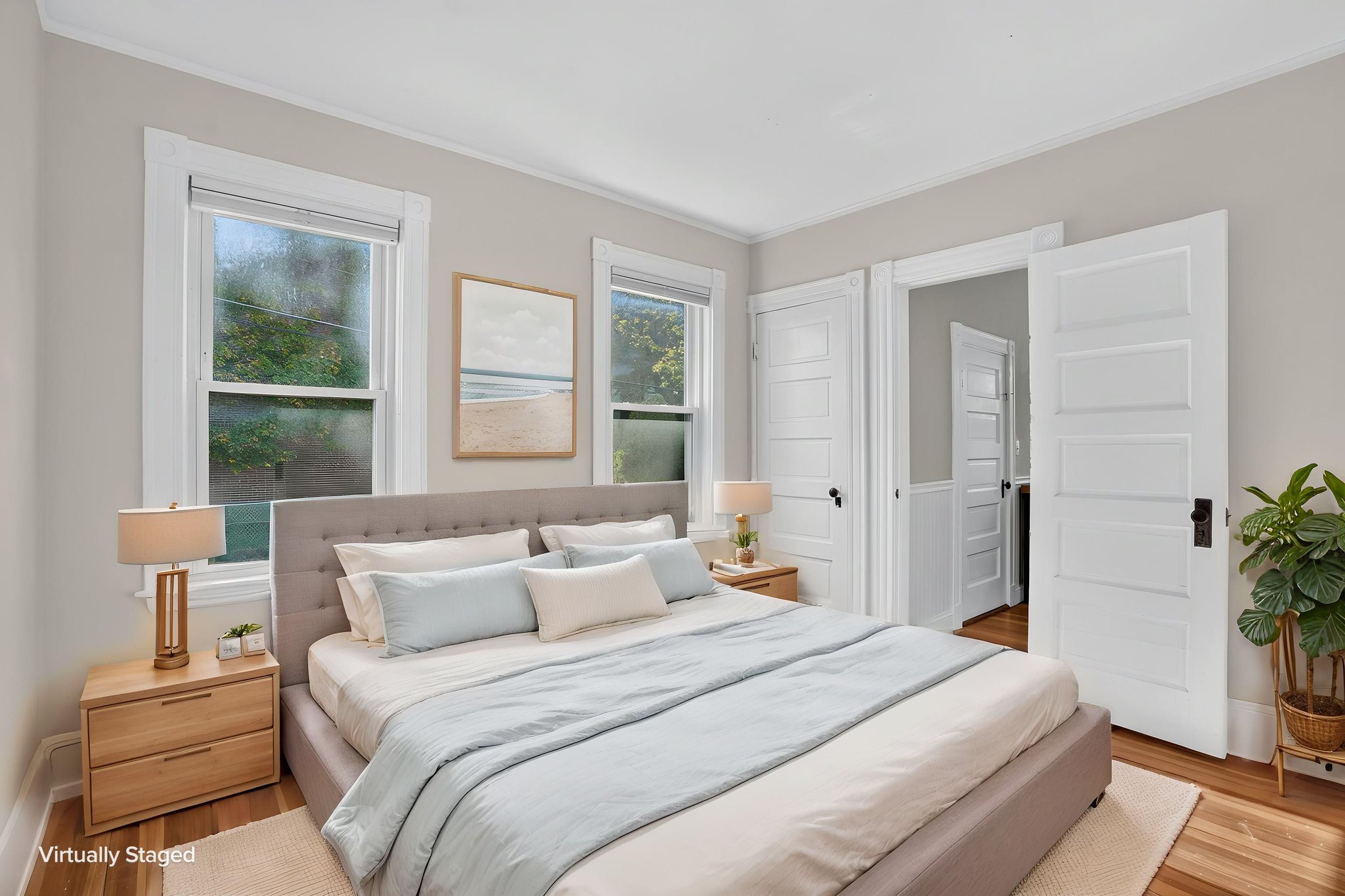
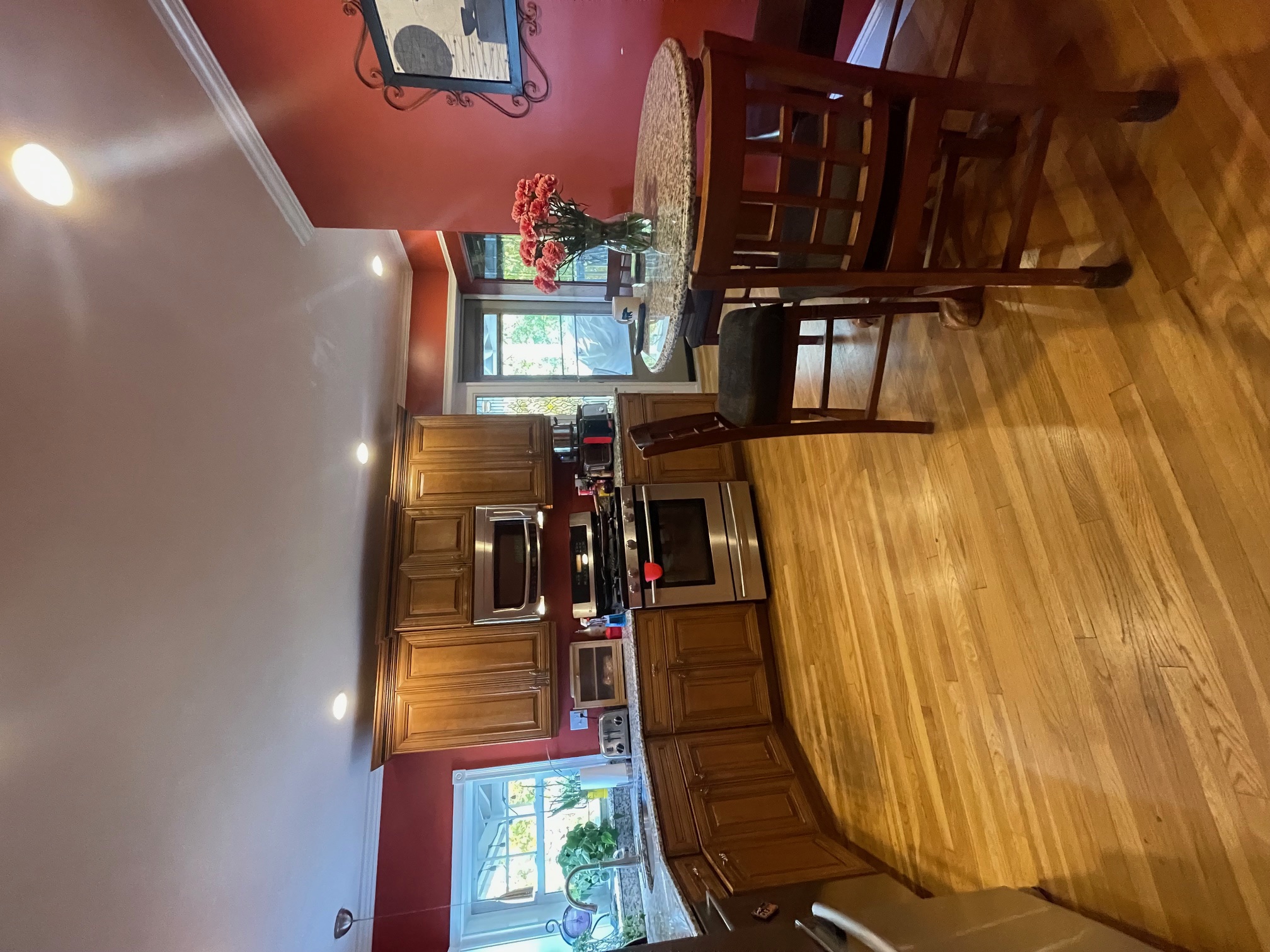
Featured listings in Belmont
For sale
All 45 homes for sale in Belmont


Rentals
All 44 rentals in Belmont

Concept Properties · Unlock Boston™
Find your place
in Belmont
Whether you’re buying your first home, selling a family house or investing near the squares, Concept’s Newbury Street team knows Belmont block by block.
179 Newbury Street · Boston, MA